
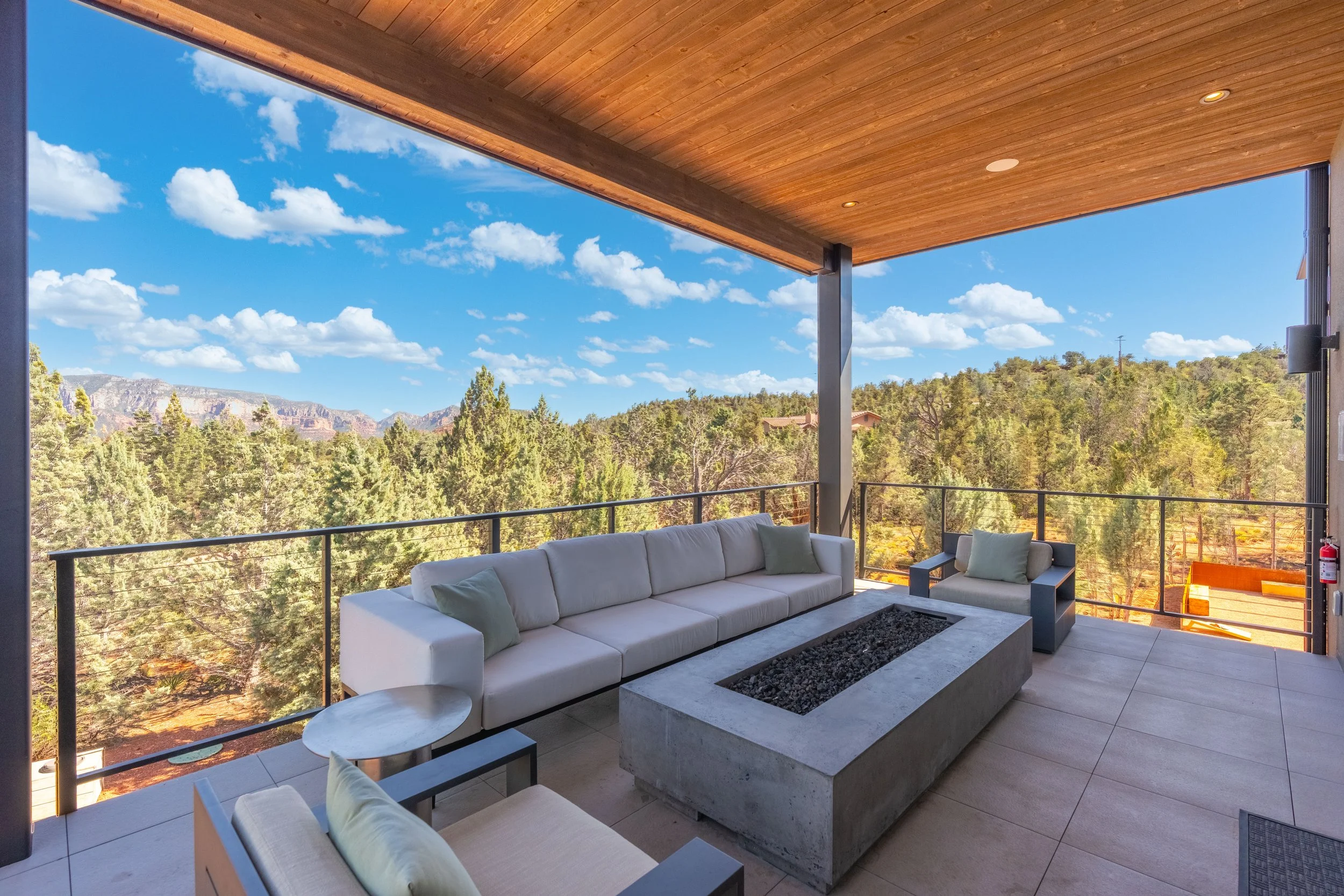
We talk about vacations as escapes.
Getting away. Leaving it all behind. Unplugging, disconnecting, disappearing for a while.
And there's truth in that. The desire to step out of routine is real — sometimes urgent.
But here's the paradox that most travelers eventually notice:
The trips that stay with you longest — the ones you think about months later, the ones that actually changed how you felt —aren't the ones where you escaped the most.
They're the ones where you arrived somewhere and immediately felt settled.
Not displaced. Not visiting. Not performing the role of a tourist in someone else's space.
Settled. Like you could live there. Like the home already understood how you move through a day.
Why Hotels Feel Transient — Even Beautiful Ones
Hotels are designed around arrivals and departures.
Everything about the experience communicates that you are passing through. The key card. The lobby. The hallway with identical doors. The room that was someone else's yesterday and will be someone else's tomorrow.
This isn't a flaw. It's the nature of the format. Hotels serve a purpose — convenience, location, service on demand.
But they rarely create the feeling of belonging.
You can admire a hotel room. You can appreciate its design, its view, its linens. But you're unlikely to curl up on the couch and read for three hours. You probably won't cook a meal. You won't leave your things out the way you do at home, because the space doesn't invite that.
There's always a faint, almost imperceptible distance between you and the room.
You're in it, but it's not yours.
Why Some Vacation Rentals Feel the Same Way
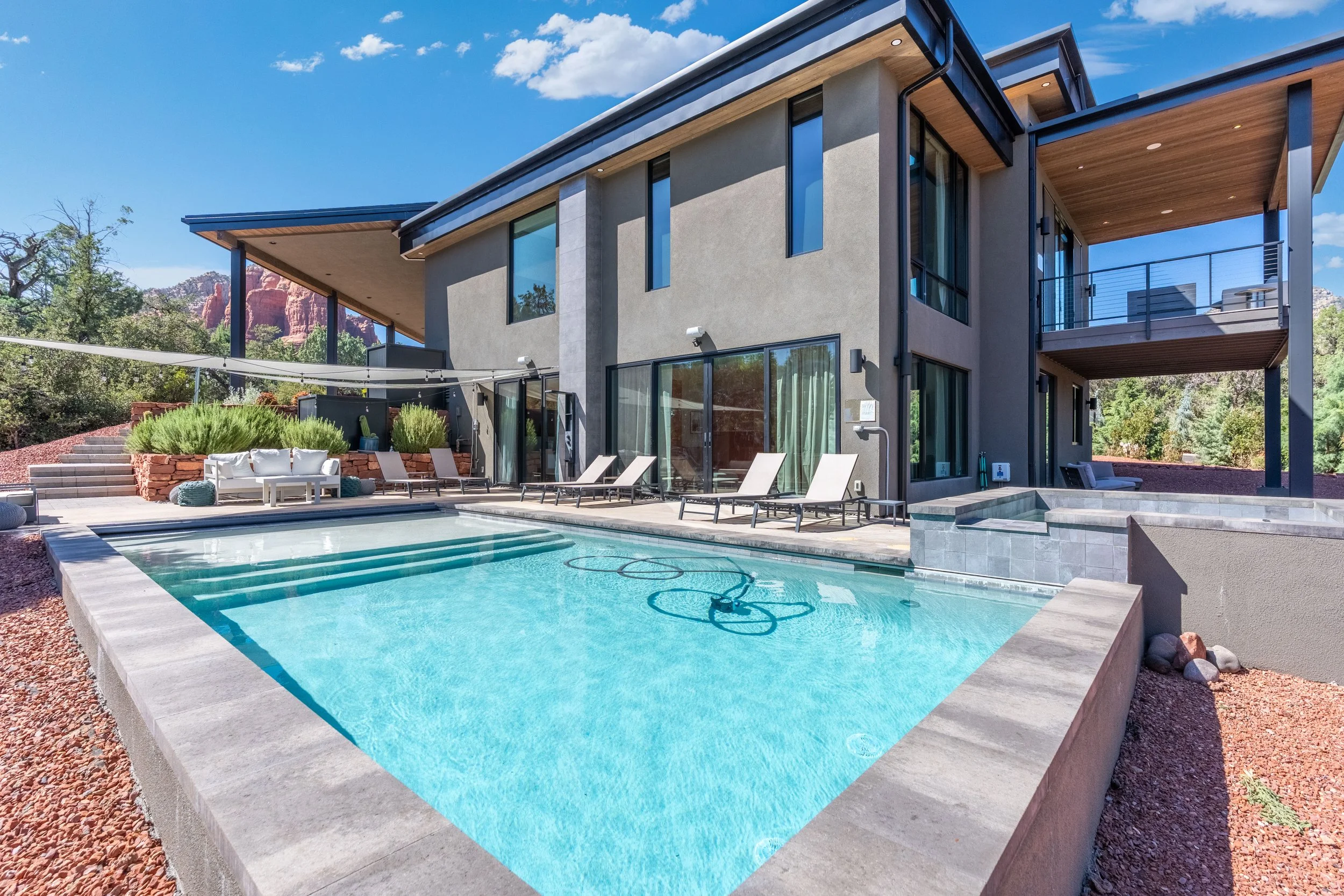
Vacation homes should solve this. And sometimes they do.
But not always.
Some rentals are staged to photograph well but feel hollow to live in. The furniture looks right in the listing, but nothing is comfortable enough to sit on for long. The kitchen is technically equipped but clearly not designed for someone who actually cooks. The décor is coordinated but impersonal — the visual equivalent of background music.
These are spaces built for first impressions, not for living.
They look like homes. But they don't feel like them.
And the gap between those two things — looking like a home and feeling like one — is exactly where the best vacations either fall short or come alive.
What "Livability" Actually Means
Livability is a word the hospitality industry rarely uses. But it's the quality that
separates a stay you tolerate from a stay you remember.
It means the space works the way you do.
A kitchen with real tools — a good knife, decent pans, a cutting board that doesn't
slide. Not because every guest will cook a five-course meal, but because the option
feels genuine, not performative.
A couch that invites you to stay. Deep enough to sink into. Positioned near natural
light. The kind of furniture where an afternoon disappears without you noticing.
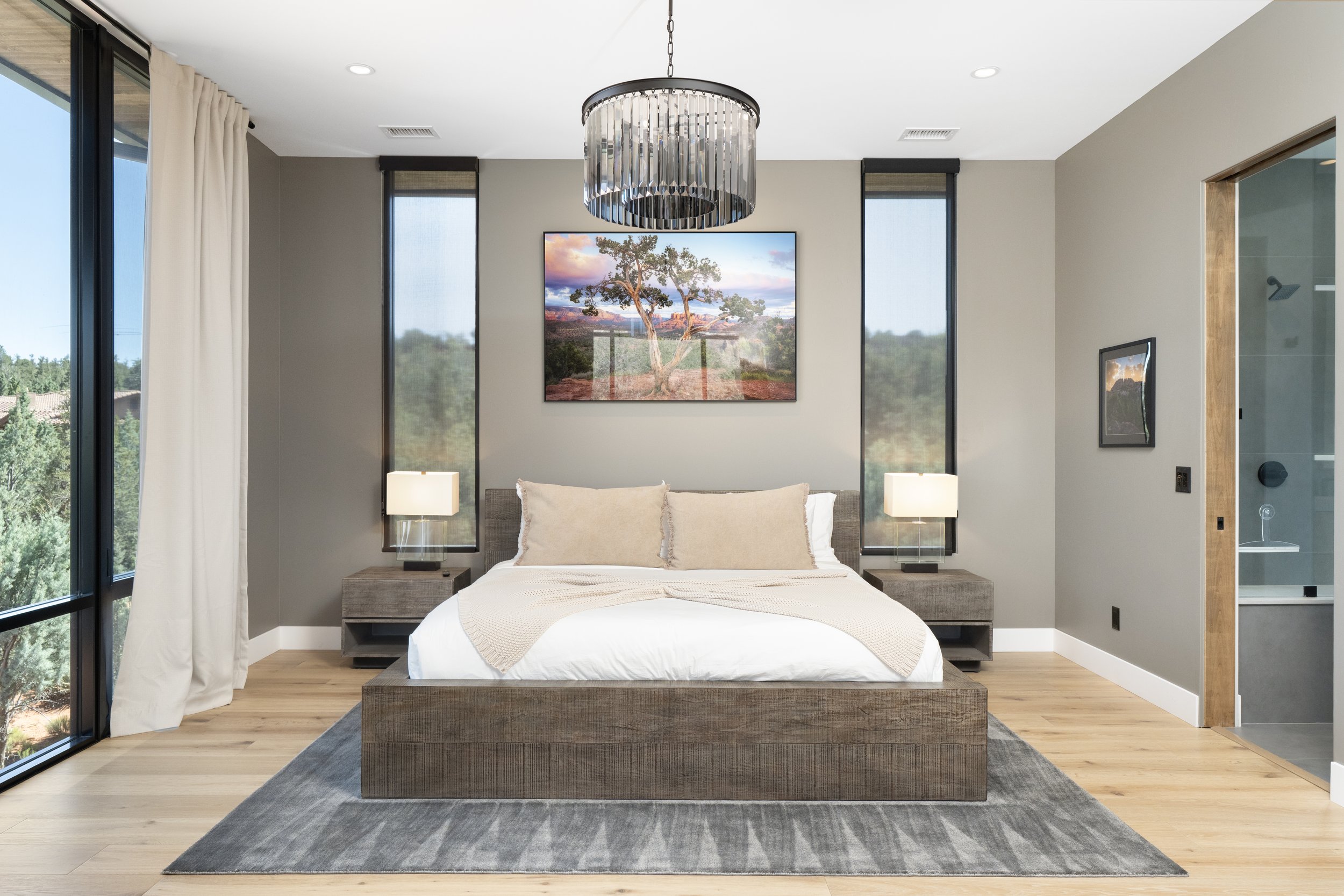
A bedroom that feels like rest before you've even turned down the sheets. Cool,
quiet, dark when it needs to be. A bed that's built for sleep, not staging.
A layout that breathes. Rooms that connect without crowding. Indoor and outdoor
spaces that flow into each other. Enough room for a group to spread out and
enough intimacy for a couple to feel held.
These are not features listed on a booking page. They are qualities you feel the
moment you walk in — and they're the reason some stays feel like home and others
never quite get there.
The Emotional Difference Between Staged and Lived-In
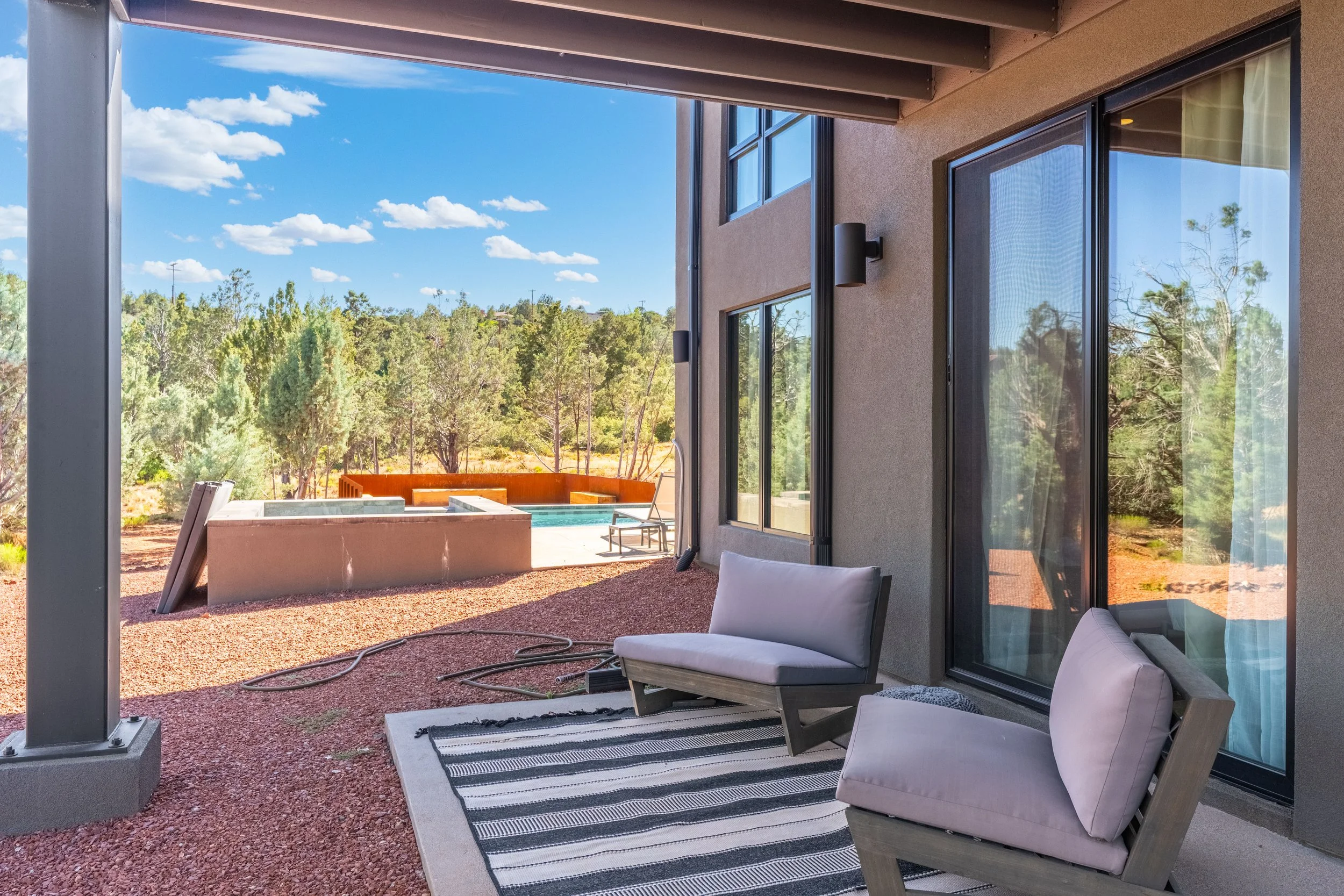
There's a feeling that comes with walking into a space designed for real living.
It's hard to name, but easy to recognize.
Your shoulders drop. You exhale. You set your bag down and, without thinking about it, you start to unpack — not just your clothes, but your attention. You look around and think: I could be here for a while.
Compare that to the staged space, where the first instinct is to look, not to settle.
Where you walk through and admire but never quite land. Where the space says "welcome" but means "careful."
The difference is trust.
A lived-in space earns it immediately. It tells you, through materials and light and layout, that it was designed for someone like you — someone who wants beauty, yes, but also comfort. Someone who doesn't want to choose between luxury and ease.
That trust is what makes you relax. And relaxation is what makes a vacation actually work.
How Design Creates the Feeling of Home Without Sacrificing Luxury
The best homes walk a quiet line: they feel elevated but never untouchable.
Warm materials help. Wood, stone, linen — textures that age well and feel good under your hand. These are materials that invite contact rather than discouraging it.
Natural light helps. Rooms that are lit by the sun before they're lit by fixtures.
Windows positioned to frame the outdoors and pull it inside. A sense of openness that doesn't rely on square footage alone.
Breathable layouts help. Not every room needs to be large, but every room needs to feel like it has space to think. Hallways that don't feel like corridors. Open plans that still offer pockets of privacy.
And thoughtful restraint helps most of all. The absence of clutter, of over- decoration, of design that shouts. The confidence to leave space empty. The understanding that luxury, at its most honest, is the feeling of having exactly what you need and nothing in the way.
Why This Matters More on Longer Stays and Group Trips
On a one-night stay, livability is a nice-to-have.
On a three-night stay, it starts to shape the experience.
On a week-long stay — or a trip with family, friends, a group of people navigating shared space — livability becomes the foundation of everything.
Groups need room to gather and room to retreat. Longer stays need kitchens that actually work, living spaces that don't wear thin, bedrooms that offer real rest night after night.
And everyone, no matter the length of stay, needs the space to feel like theirs. Not rented. Not borrowed. Theirs — at least for now.
This is the difference between a trip that holds together and one where small frictions compound. Between a group that stays connected and one that scatters.
Between a week that restores and one that simply passes.
The Role of the Neighborhood
A home doesn't exist in isolation. The streets around it matter. The walk to coffee matters. The view from the front door matters.
Feeling grounded on a trip isn't just about the interior. It's about stepping outside and recognizing a rhythm you can join — or a stillness you can borrow.
In some places, that means a quiet street lined with trees, where evening walks feel natural and unhurried. In others, it means proximity to the water, or a stretch of desert that extends the home's calm into the landscape.
The neighborhood is what turns a house into a place. And the right place is what makes a guest stop counting the days and start living inside them.
The Best Version of Home, in the Best Possible Setting
At Sun Haven Collection, every home is chosen with livability at the center.
Not just how it photographs. Not just how it performs as a listing. But how it feels on the second morning, when the novelty has faded and the only thing left is whether the space actually works.
Every kitchen is real. Every living room is built for staying. Every bedroom is designed for rest that carries into the next day.
The design is warm without being casual. Elevated without being fragile. Luxurious in the way that matters — not in the way that asks you to be impressed, but in the way that allows you to be comfortable.
Because the best vacations don't feel like escaping your life.
They feel like arriving at a version of home you didn't know existed — one with better light, more space, and nothing you need to fix.
Explore Sun Haven Collection and find a home that feels like yours — just in a better setting.