
You probably won't remember the restaurant.
You might not remember the name of the beach, or which day you went to the farmer's market, or what you ordered for dinner on the second night.
But you'll remember the conversation.
The one that started over coffee while everyone was still in pajamas. The one that happened on the patio after the kids went to sleep. The one where your partner said something they'd been carrying for weeks — not because you asked, but because the space was quiet enough, and unhurried enough, and safe enough for it to come out on its own.
That's the trip you'll talk about years later. Not for where you went. For what opened up between you while you were there.
Why Home Changes the Conversation
Hotels are designed for sleeping and leaving. They move you outward — into lobbies, restaurants, activities, excursions. The room is where you return when everything else is done.
A home works differently.
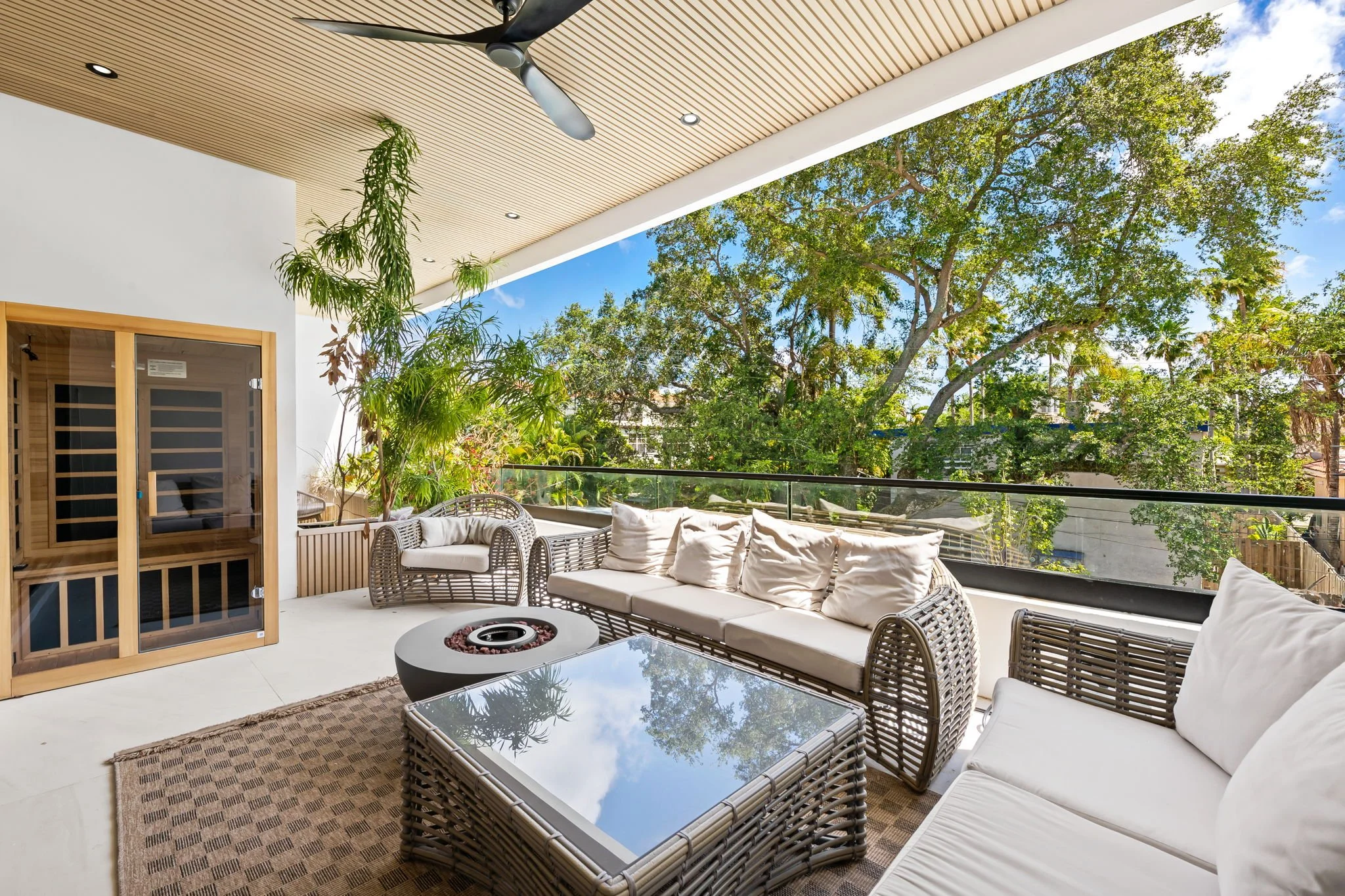
A home holds you. It gives you a kitchen where someone can cook while someone else sits at the counter and talks. A living room where the whole group gathers without a reservation. A porch where two people can sit with nothing between them but the view and the kind of silence that doesn't need filling.
These aren't scheduled moments. They aren't programmed. They're what happens when the space stops rushing you — when there's no check-out pressure, no lobby noise, no signal that your time in this room is transactional.
Conversation doesn't need a prompt. It needs permission. And the right space gives that permission without saying a word.
The Conversations That Don't Happen at Home
Here's the paradox: we live in homes every day, and still, some conversations only happen when we leave.
At home, there's always something pulling attention. A notification. A deadline. A load of laundry. The mental list that never stops scrolling. Even when you're sitting across from the people you love most, part of you is elsewhere — managing, planning,
remembering.
Travel strips that away. Not all of it, not immediately. But over a day or two, the layers start to thin. Without the familiar triggers, the nervous system settles. Without the to- do list, the mind opens.
And in that opening, people say things they wouldn't say at home.
A teenager mentions something they're worried about. A sibling brings up a memory neither of you has spoken about in years. A friend admits they've been struggling. A partner reaches for a topic they've been circling for months.
None of it was planned. All of it was made possible by a change of setting — not a dramatic one, just a gentler one. A slower morning. A longer evening. A home that felt like theirs, even though it wasn't.
Why Families Keep Coming Back
Talk to families who travel to the same vacation home year after year, and you'll hear a pattern.
They don't come back for the destination. They come back for the feeling.
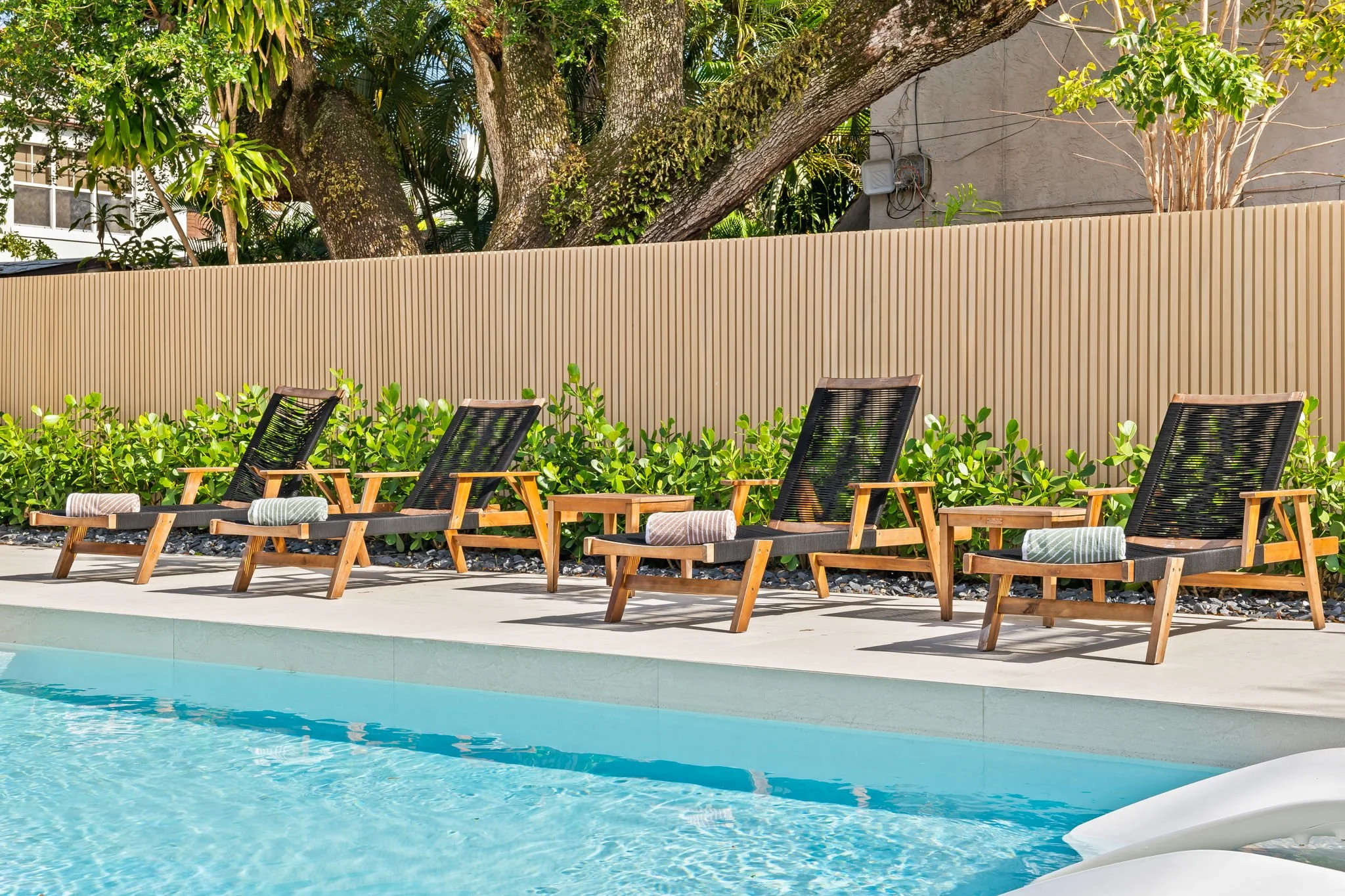
The feeling of everyone arriving and knowing where things are. The kids running straight to the pool. The adults settling into the kitchen like it's second nature. The rhythm that picks up from last time, without anyone needing to explain or negotiate.
That familiarity isn't just convenient. It's emotionally productive. When the logistics disappear — when nobody is figuring out how the coffee maker works or which drawer has the bottle opener — the energy goes somewhere better.
It goes into the people.
A family therapist once described vacation as "borrowed time" — time outside the normal structure where relationships can breathe. The less friction in the environment, the more room there is to actually be together.
That's not a luxury. That's the whole point.
The Morning Nobody Planned
If you ask people about their favorite moment from a family trip, most of them won't describe an activity.
They'll describe a morning.
A morning when everyone woke up slowly and drifted to the kitchen. When someone made eggs and someone else put on music. When the kids ate on the patio and the adults sat with coffee and nobody checked the time because there was nothing to be late for.
Those mornings don't happen in hotels. They happen in homes.
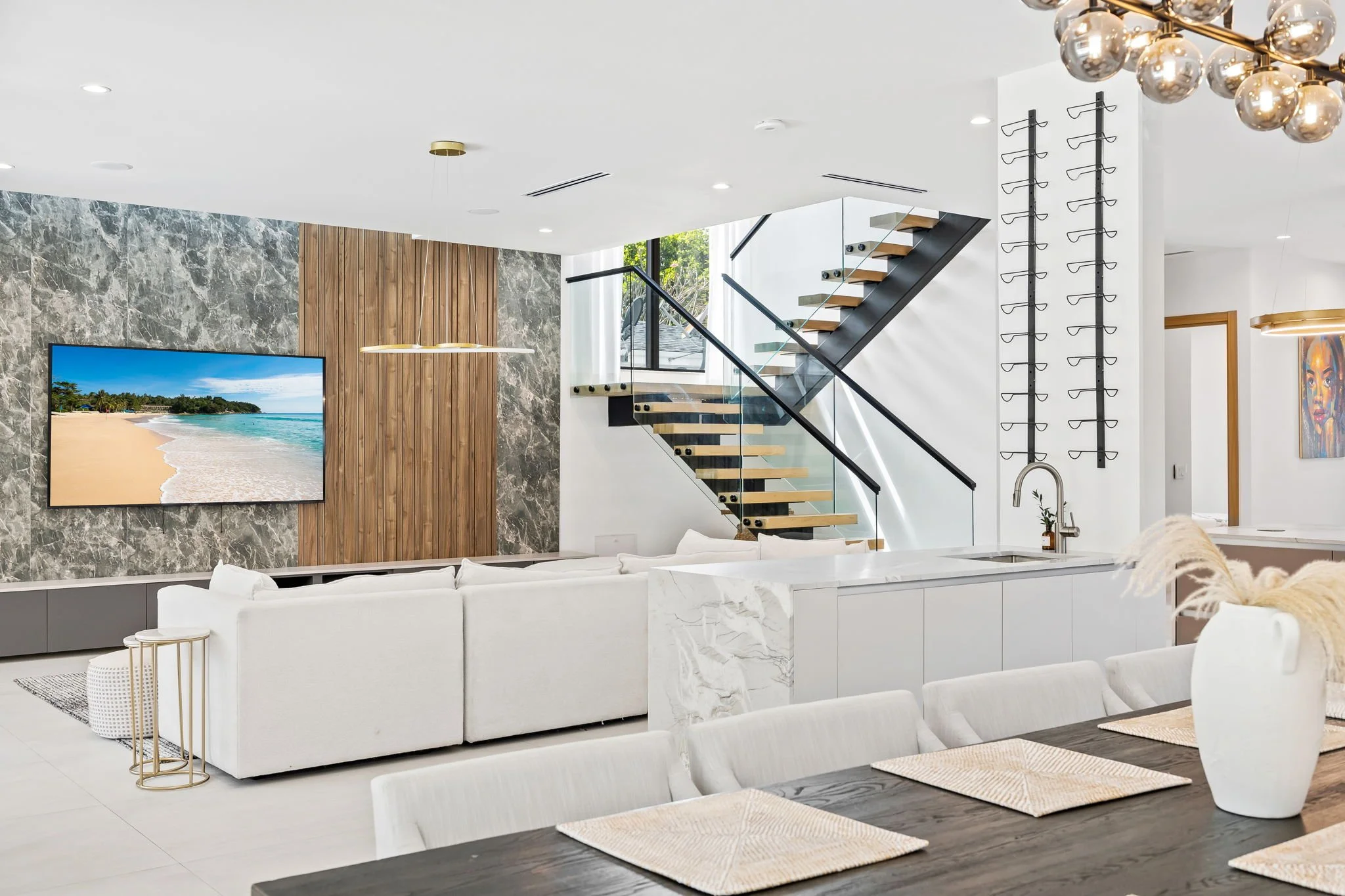
They happen when the kitchen is real — not a minibar and a Keurig, but a place where a meal can be made and shared. When the dining table is big enough for everyone. When the living room is a place people actually want to sit.
The design of the space shapes the behavior of the people inside it. A well-designed home doesn't just look beautiful — it draws people together. Naturally. Without instruction.
What the Space Teaches You
There's something else that happens in these stays — something harder to name.
You learn how your family actually functions when the pressure is off.
You notice that your daughter is funnier than you realized. That your partner is more relaxed than you've seen in months. That your parents are happier when they're not hosting — when someone else has set the stage and they can just be guests in a beautiful place.
You see your people in a new context. And that context reveals something that routine conceals: who they are when they're not performing their roles.
That's not something a destination can give you. That's something a home gives you — a space designed for living, not visiting.
The Stay That Stays With You
Most trips fade. The details blur. The photos sit in a folder you rarely open.
But the trips where something real was said — where a conversation shifted a relationship, where a family laughed harder than they had in months, where someone felt truly seen — those trips don't fade.
They become reference points. The trip where everything changed. The week we finally talked about it. The morning we all sat together and nobody wanted to leave.
Those moments aren't an accident. They're the natural result of a space that was designed to hold them.
Sun Haven homes are built for this. Not for performance. Not for spectacle. For the quiet, unrepeatable moments that happen when a family is given a beautiful place and enough time to simply be together.
That's what we mean when we say the home is the experience.
Explore Sun Haven Collection and discover homes designed for the moments that matter most — the ones you'll still be talking about years from now.