

There's a belief most of us carry without questioning it:
That real rest takes time. That a meaningful trip requires at least a week. That anything shorter is just a weekend — nice, maybe, but not enough to actually recover from the pace of everyday life.
And so we wait.
We wait for the right time. The right number of open days. The right alignment of schedules and obligations and permissions we quietly give ourselves to stop.
And in the waiting, the exhaustion deepens.
The Myth of the Long Vacation
Somewhere along the way, we decided that rest is proportional to duration.
That a two-week trip restores twice as much as a one-week trip. That a long weekend barely counts. That the only way to truly switch off is to disappear for a while.
But research tells a different story.
Studies on vacation and well-being consistently show that the peak of restoration happens early — often within the first two to three days. After that, the emotional benefits plateau. In some cases, longer trips even introduce new stress: fatigue from travel, overpacked itineraries, the creeping awareness of everything piling up at home.
The length of a trip matters far less than most people assume.
What matters is how the time is spent. And more importantly, where.
How Quickly the Brain Can Shift
The nervous system is more responsive than we give it credit for.
In the right environment — calm, quiet, free of the cues that keep us in work mode — the brain begins to shift within hours. Heart rate slows. Cortisol drops. The mental loops that run constantly during a regular week start to soften.
But "the right environment" is the key phrase.
A crowded resort doesn't trigger that shift. A home that feels temporary or unfamiliar doesn't either. A space that requires constant adjustment — figuring out the layout, troubleshooting small issues, adapting to someone else's design choices — keeps the brain in problem-solving mode.
The spaces that accelerate rest are the ones that feel immediately comfortable.
Where nothing needs to be figured out. Where the design itself says: you can stop now.
That's why the home matters as much as the destination.
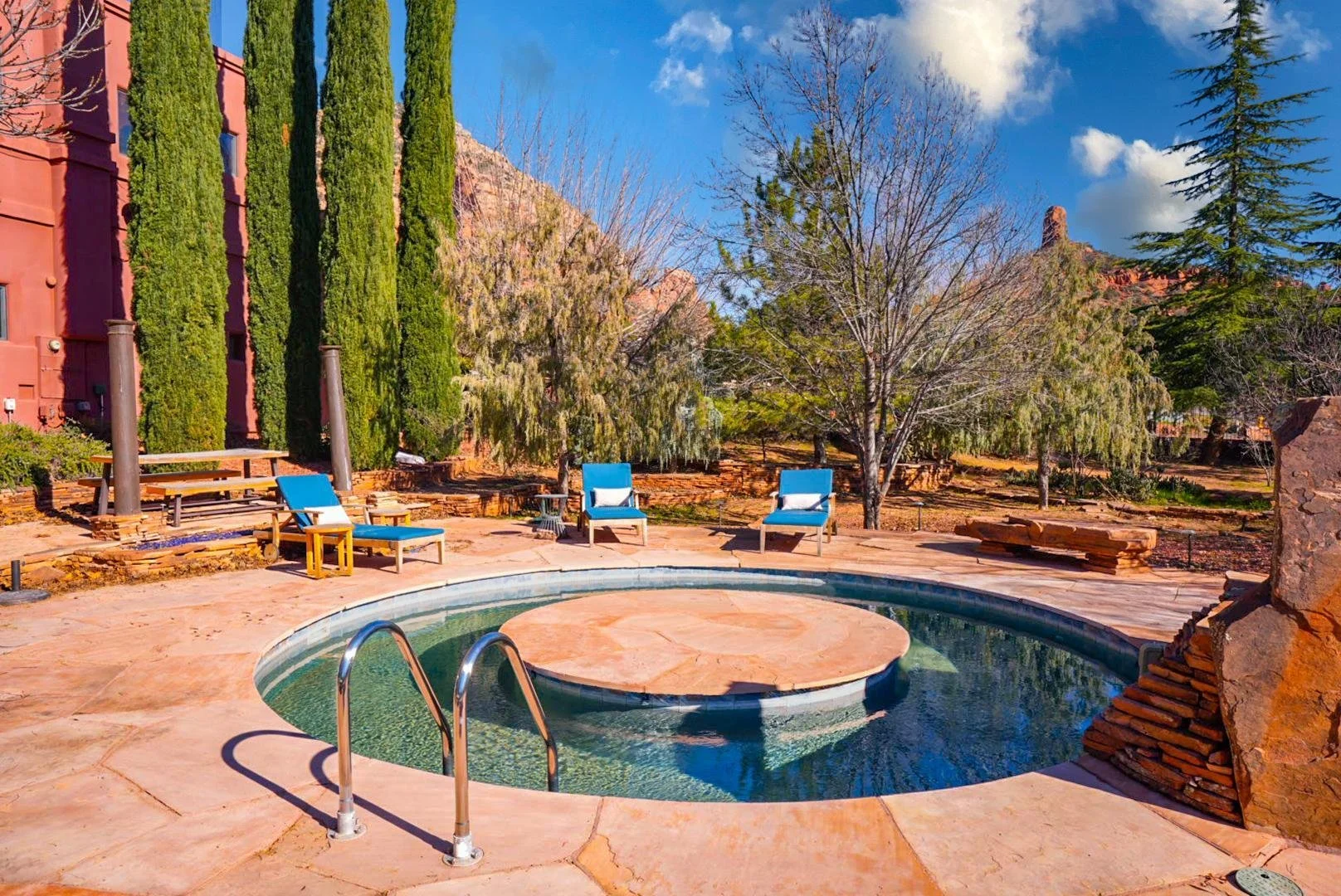
What Makes Three Nights Feel Longer
A 3-night stay doesn't have to feel short.
In the right home, time behaves differently.
Mornings stretch. There's no alarm and no agenda, and the light through the window doesn't carry urgency. Coffee becomes an experience rather than a transition. The first hour of the day stops being a race.
Afternoons open. Without the pressure to fill every moment — because this isn't a once-a-year trip you need to "maximize" — you find a rhythm. A walk. A meal you actually cook. A book. A nap that doesn't come with guilt.
Evenings slow. Dinner is unhurried. Conversation runs longer. The end of the day arrives gently rather than crashing into you.
Three nights lived this way can feel like a week. Not because time is tricked, but because you're finally present for all of it.
The overpacked itinerary is what makes trips feel short. Stillness is what makes them feel full.
The Role of the Home Itself
Not every space supports this kind of rest.
A hotel room, no matter how beautiful, has limits. There's a formality to it. A transience. You are always a guest in someone else's space, moving through a shared lobby, eating on someone else's schedule, sleeping in a room designed for efficiency.
A vacation rental can offer more space — but space alone doesn't guarantee ease. If the home is poorly maintained, or the design feels disconnected, or the layout doesn't support how you actually want to live, the friction adds up. The homes that support a true reset are the ones that feel livable from the first hour.
A kitchen that invites you to make breakfast instead of rushing out for it. A living area where you want to linger. A bedroom that feels quiet and restorative, not just functional. Outdoor space that draws you out without effort.
When the home feels right, the guest stops performing the role of "traveler" and starts simply living. That's when the reset begins.
A Sample Rhythm: Three Nights, Two Ways
In Fort Lauderdale:
Day one — arrive by early afternoon. Open the doors. Let the coastal light fill the house. Walk to dinner. Sleep with the windows cracked.
Day two — slow morning. Coffee by the pool. A walk to the beach or a quiet afternoon along the waterfront. Cook something simple for dinner. Sit outside as the sky changes.
Day three — breakfast at home. A final swim. A drive through the neighborhood.
Dinner somewhere you've been wanting to try. One last quiet evening before heading back.
In Sedona:
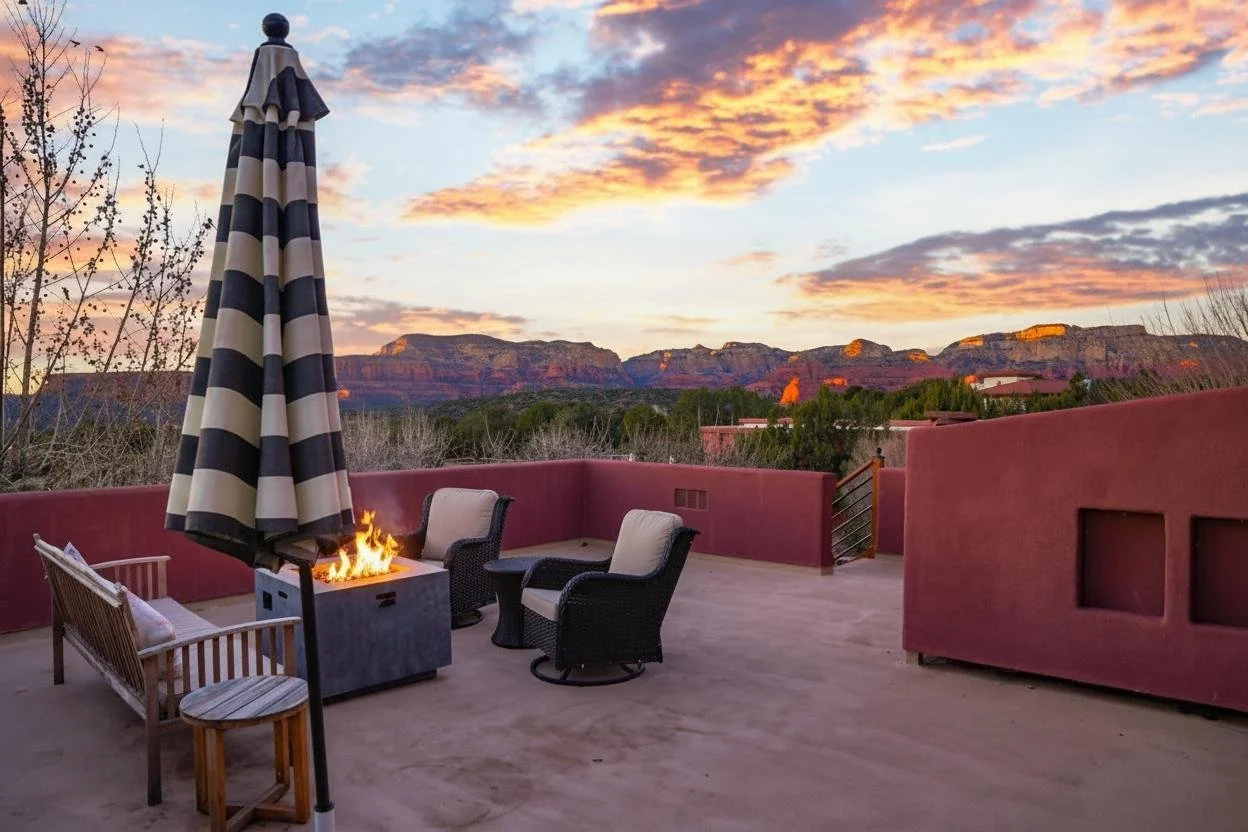
Day one — arrive and feel the landscape immediately. The red rock, the stillness, the dry warmth. Settle in. Let the quiet do the work.
Day two — a morning hike, nothing strenuous, just presence. Afternoon inside with the windows open and the desert light shifting. An evening meal on the patio as the sun drops behind the mesa.
Day three — no plans. A slow start. Time outside. Time inside. The kind of day where you don't check the clock once.
Neither version requires a packed itinerary. Neither requires a week. Both leave you feeling like you've been gone longer than three days.
Why This Works Better for the People Who Need It Most
The people who most need rest are usually the ones who feel they can't take it.
Parents who can't carve out a full week. Professionals who can't fully disconnect for ten days. Couples who keep saying "we should get away" and never quite do because the window never feels large enough.
A 3-night reset changes the math.
It's short enough to schedule. Short enough to justify. Short enough that the obligations waiting at home don't overshadow the trip.
But in the right space, with the right pace, it's long enough to feel like everything you needed.
Not an escape from life. Just a pause inside of it.
Built for This Kind of Stay
At Sun Haven Collection, every home is designed with this in mind.
Not just for the week-long family vacation. Not just for the big group trip. But for the quieter stays, too. The 3-night weekends that aren't dramatic but are deeply necessary.
Homes in Fort Lauderdale that let the coast settle into your rhythm. Homes in Sedona that hold space for stillness. Homes along the Gulf Coast that balance light, warmth, and ease.
Each one chosen and prepared so that the guest can arrive, settle in, and stop thinking about logistics — because the space has already taken care of it.
Because rest isn't about how long you go. It's about how quickly you're able to let go.
Explore Sun Haven Collection and discover homes designed for the kind of stay that stays with you.